
Impact & Success Stories
Our Impact
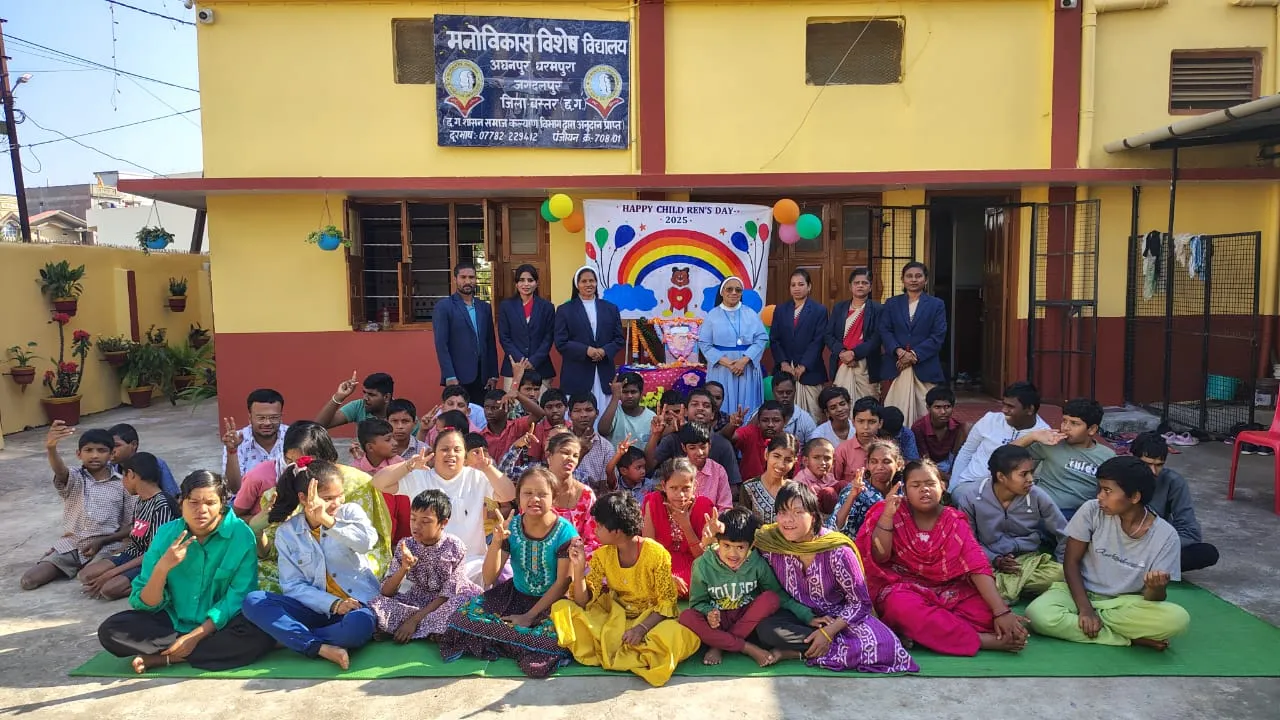
Since its establishment in 2001, Bastar Divyang Seva Samiti (BDSS) has been working systematically to improve the quality of life of persons with disabilities, women, and children across the seven districts of Bastar Division — Bastar, Kanker, Dantewada, Sukma, Bijapur, Narayanpur, and Kondagaon.
Through community-based rehabilitation, special education, therapy services, and residential care, BDSS has created measurable social impact in some of the most remote and underserved regions of Chhattisgarh.
Key Areas of Impact
Inclusive Education
- Children with intellectual and multiple disabilities receive structured education through Manovikas Special School.
- Students are supported through academic, social, vocational, and life-skills training.
- Many children who were previously excluded from formal learning now participate in structured schooling and rehabilitation programs.
Early Identification & Community Support
- CBR initiatives have enabled early identification of disabilities in rural villages.
- Families are sensitized and supported to care for children with special needs.
- Local communities are involved in inclusion and awareness-building efforts.
Rehabilitation of Vulnerable Women
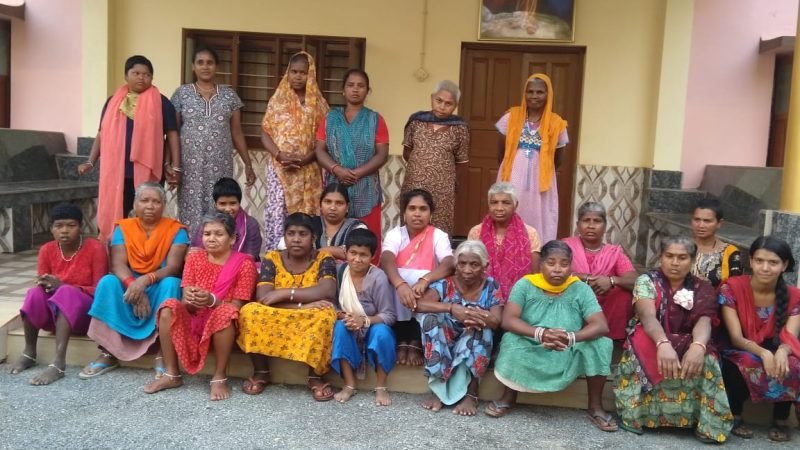
- Since 2008, the Kolchur Rehabilitation Centre has provided safe shelter and treatment for mentally ill women found abandoned or wandering.
- Around 27 women currently receive care, dignity, and rehabilitation support.
- Integration with the Gharonda Yojana (2021) strengthened government-backed support for residents.

Key Areas of Impact
Inclusive Education
- Children with intellectual and multiple disabilities receive structured education through Manovikas Special School.
- Students are supported through academic, social, vocational, and life-skills training.
- Many children who were previously excluded from formal learning now participate in structured schooling and rehabilitation programs.
Early Identification & Community Support
- CBR initiatives have enabled early identification of disabilities in rural villages.
- Families are sensitized and supported to care for children with special needs.
- Local communities are involved in inclusion and awareness-building efforts.
Rehabilitation of Vulnerable Women
- Since 2008, the Kolchur Rehabilitation Centre has provided safe shelter and treatment for mentally ill women found abandoned or wandering.
- Around 27 women currently receive care, dignity, and rehabilitation support.
- Integration with the Gharonda Yojana (2021) strengthened government-backed support for residents.
Story 1 – From Isolation to Inclusion
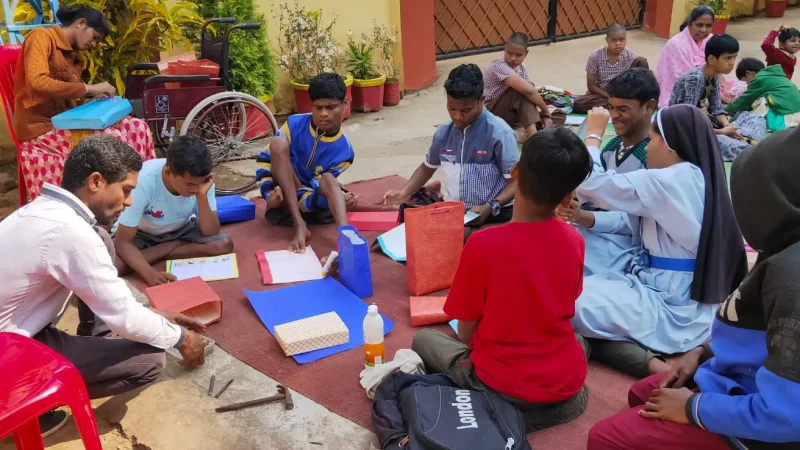
A child from a remote village in Bastar with cerebral palsy was brought to BDSS through a community survey. Through physiotherapy, special education, and family counseling, the child gained mobility skills and began attending Manovikas Special School. Today, the child participates in classroom activities and social interactions, demonstrating how early intervention can transform lives.
Story 1 – From Isolation to Inclusion
A child from a remote village in Bastar with cerebral palsy was brought to BDSS through a community survey. Through physiotherapy, special education, and family counseling, the child gained mobility skills and began attending Manovikas Special School. Today, the child participates in classroom activities and social interactions, demonstrating how early intervention can transform lives.
Story 2 – A Second Chance at Life
A mentally ill woman found wandering on the streets of Bastar was admitted to the Kolchur Centre in 2019. After continuous medical treatment, counseling, and rehabilitation, she regained stability and dignity. The center became her safe home, illustrating BDSS’s commitment to caring for the most vulnerable.
Story 2 – A Second Chance at Life
A mentally ill woman found wandering on the streets of Bastar was admitted to the Kolchur Centre in 2019. After continuous medical treatment, counseling, and rehabilitation, she regained stability and dignity. The center became her safe home, illustrating BDSS’s commitment to caring for the most vulnerable.